
How AI can reduce marketing review time

Marketing teams are under pressure from both sides. They need to move faster, but they also need to meet stricter standards for privacy, approvals, brand consistency, and documentation. That tension often shows up in the review stage, where content sits in inboxes, waits for feedback, and moves through too many manual checks.
AI can help reduce that delay. When used well, it supports a faster and more consistent review process by removing repetitive tasks, surfacing likely issues earlier, and helping teams keep a clear record of what changed and why.
For teams working on regulated campaigns or complex approval flows, compliance automation is becoming a practical way to reduce review time without lowering standards.
Why marketing reviews take so long
Review cycles often slow down for the same reasons:
- Approval steps are spread across email, chat, and documents
- Compliance checks happen late in the process
- Teams rely on manual review for repeated requirements
- Feedback is inconsistent between legal, compliance, and marketing
- There is no shared system for version control or audit history
When this happens, review time increases not because teams are careless, but because the process is fragmented. Every extra handoff creates more waiting, more rework, and more risk of missed details.
What compliance automation changes
Compliance automation helps teams replace manual review tasks with structured workflows, automated checks, and clearer documentation. Instead of treating compliance as a final gate, teams can build it into the content process from the start.
That shift matters because review delays usually come from repeatable tasks. Checking for required disclaimers, validating approval steps, matching content to policy requirements, and maintaining records are all areas where workflow automation can save time.
With the right setup, compliance automation can help teams:
- Standardize review steps across campaign types
- Collect evidence and approvals in one place
- Track changes automatically
- Flag likely compliance issues before final review
- Keep documentation ready for internal review or audit needs
How AI supports the ai review process
An effective ai review process does not replace human judgment. It reduces the amount of manual work people need to do before they can make a decision.
AI is especially useful when marketing teams review high volumes of content across channels. It can scan drafts for common policy issues, detect missing elements, and support faster routing to the right stakeholders. That means reviewers spend less time looking for obvious issues and more time focusing on context, nuance, and risk.
In practice, AI can support review time reduction in a few key ways.
1. Earlier issue detectionWhen checks happen earlier, teams avoid late-stage rewrites. AI can review content before formal approval and flag issues tied to required language, privacy-sensitive wording, or missing compliance elements.
2. More consistent review criteriaManual reviews vary from person to person. AI compliance software can apply the same logic each time, which helps reduce back and forth caused by unclear or changing standards.
3. Faster evidence gatheringDocumentation often slows teams down. Automated systems can keep track of versions, approvals, and supporting records without forcing marketers to manage it manually.
4. Better workflow routingNot every asset needs the same level of review. Workflow automation can route content based on risk, channel, market, or campaign type so simple assets move faster and complex ones get the right oversight.
Where ai compliance software fits in
AI compliance software is most useful when teams already know their review requirements but struggle to enforce them at scale. It brings structure to approval flows and helps teams maintain consistency across many assets, stakeholders, and markets.
That can include support for:
- Content checks against internal compliance rules
- Approval workflows with clear ownership
- Centralized records for decisions and changes
- Real-time visibility into review status
- Monitoring for repeated issues that slow production
For marketing leaders, this is not just about speed. It also improves predictability. Teams can see where delays happen, which steps create friction, and what needs to be improved.
How workflow automation reduces bottlenecks
Workflow automation is often the missing piece in marketing compliance. Even strong review standards break down when the process depends on manual follow-up.
Automated workflows help teams define what should happen next, who needs to review, and what evidence needs to be captured. That removes a lot of the hidden admin work that stretches review timelines.
For example, workflow automation can:
- Assign reviewers automatically based on content type
- Trigger compliance review only when certain risk conditions are met
- Notify teams when approvals are overdue
- Create audit trails without separate manual logging
- Keep reviews moving across regions and teams with less coordination overhead
This is especially valuable for larger organizations where marketing, legal, privacy, and regional stakeholders all need visibility.
How Magnity can help
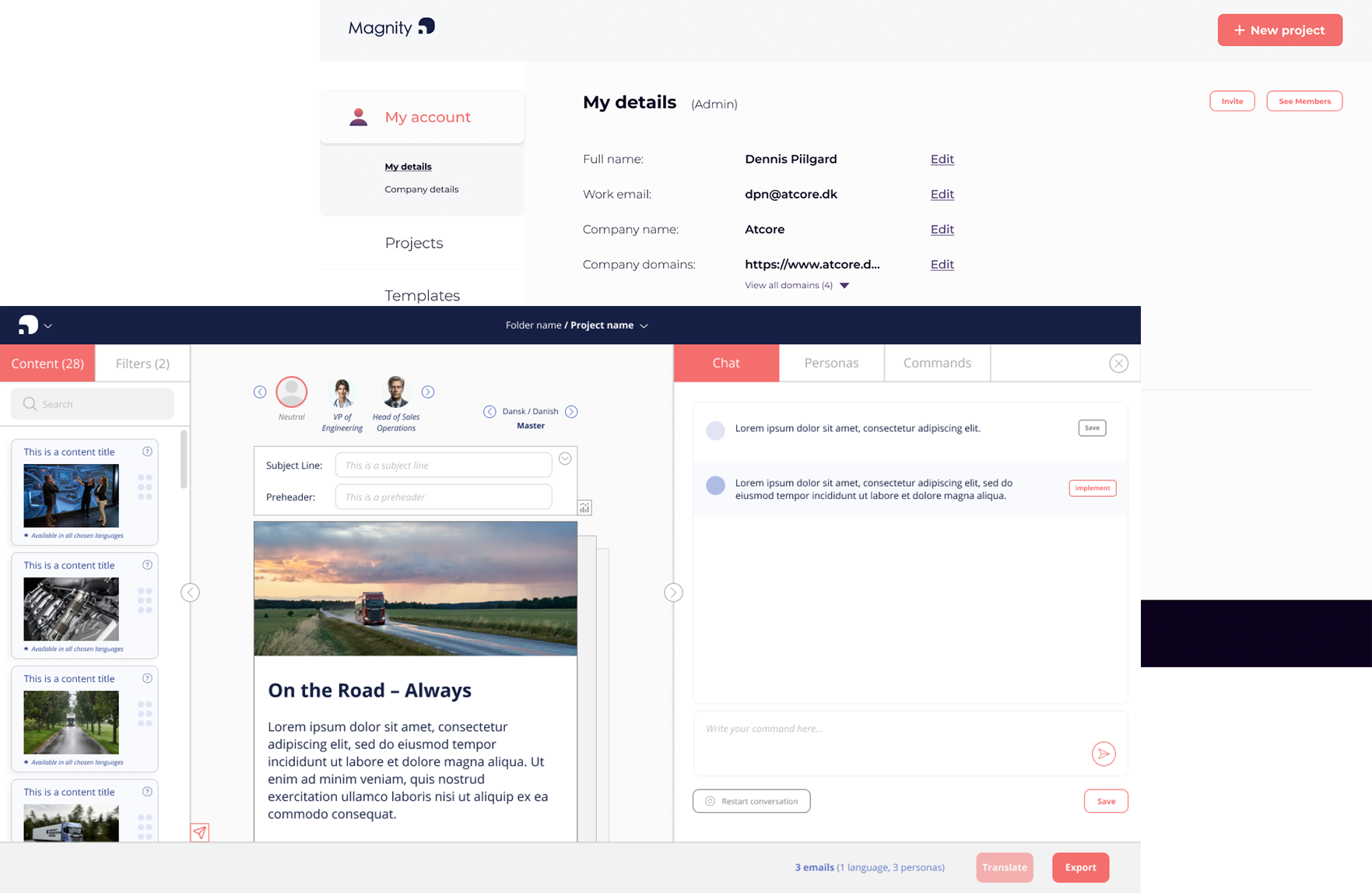
Magnity helps marketing teams bring compliance into the content workflow instead of treating it as a separate step at the end. That makes it easier to create, review, and manage content with more structure and less manual effort.
With Magnity, teams can streamline the ai review process by building content workflows that support clearer collaboration, faster approvals, and better consistency across assets. Instead of chasing feedback across disconnected tools, teams can work from a more unified process.
Magnity can support compliance automation by helping teams:
- AI Agents do all the heavy lifting
- Create content within structured workflows
- Reduce manual handoffs in review cycles
- Keep teams aligned on messaging and required content elements
- Improve visibility across approvals and revisions
- Scale production without losing control of review quality
For organizations working to balance speed with oversight, that structure can make a real difference.
See what Magnity can do for your team
What to look for in a smarter review process
If your current process depends on spreadsheets, email approvals, and manual follow-up, review time will keep growing as content volume increases. A better model combines clear governance with automation and AI support.
Look for an approach that helps you:
- Identify review requirements earlier in production
- Apply rules consistently across teams and channels
- Automate documentation and approval tracking
- Reduce unnecessary review steps
- Give human reviewers better context, not more admin work
The goal is simple: reduce time spent managing the review process so teams can spend more time improving the work itself.
Final thoughts
Marketing review time usually gets longer when compliance depends on manual effort. AI helps by making the process more consistent, more visible, and less dependent on repetitive tasks. Combined with compliance automation and workflow automation, it gives teams a way to move faster while staying in control.
For marketing teams under pressure to deliver more content with fewer delays, that is a practical advantage, not a future ambition.