
Why content approval processes break down

Publishing delays rarely happen because one person misses a deadline. More often, they happen because the content approval workflow is unclear, overloaded, or spread across too many tools. Reviews get stuck, comments conflict, and no one is fully sure who owns the next step.
If your team works across channels, markets, or approval layers, a weak process can slow down production fast. It can also create compliance risk when content goes live without the right checks. A stronger workflow gives teams a clear path from draft to approval without adding unnecessary friction.
For teams focused on marketing compliance, this matters even more. Every missed review, unclear handoff, or last-minute revision increases the chance of errors, inconsistent messaging, and delayed campaigns.
What a content approval workflow should do
A content approval workflow is the sequence of reviews, edits, approvals, and final checks that content moves through before publication. It should make ownership clear, keep feedback in one place, and help teams move quickly without skipping critical steps.
A good workflow supports three things at once:
- content quality and accuracy
- brand and compliance alignment
- predictable delivery timelines
When one of those breaks, the process usually starts to break with it.
1. Too many reviewers slow everything downOne of the most common reasons a content review process breaks down is that too many people are involved. Extra reviewers often add little value, but they still create delays, duplicate comments, and conflicting direction.
This usually happens when teams add approvers as a safety measure instead of defining who actually needs to review what. A blog post, sales email, and product launch page do not need the same approval path. When every asset follows the longest possible route, production slows down for no clear reason.
The fix is to match the review path to the content type, risk level, and audience. Low-risk content may need a quick editor and brand review. High-risk content may need legal or compliance input. The point is not to remove control. It is to apply the right control at the right point.
2. Roles are unclear from the startEven strong teams run into delays when ownership is vague. If nobody knows who gives final sign-off, who consolidates feedback, or who is responsible for revisions, work starts to stall between stages.
Common signs include:
- drafts sitting untouched because reviewers assume someone else is handling them
- multiple people requesting changes without one owner making the final call
- late escalation because a required stakeholder was not included early enough
A content approval workflow works best when each stage has a clear owner. That includes who creates, who reviews, who approves, and who moves the content forward.
3. Feedback is scattered across toolsWhen comments live in email threads, chat messages, shared docs, and project boards at the same time, the process becomes harder to manage. Teams waste time comparing versions, checking which feedback is current, and figuring out what has already been resolved.
This is where approval bottlenecks often start. Not because people are unwilling to review content, but because the review environment makes it difficult to respond clearly and on time.
A more reliable content review process centralizes feedback in one place. That makes revisions easier to manage and reduces the risk of missed changes or duplicated effort.
4. Deadlines exist, but response expectations do notMany teams assign due dates to content creation, but not to the review stages around it. That leaves approvals open-ended. Content enters review, then waits. Nobody knows whether feedback is due in two hours, two days, or next week.
A better content approval workflow defines timelines for every stage, including review windows and escalation rules. That helps teams prevent approval bottlenecks before they disrupt the publishing schedule.
If your process depends on manual follow-up every time a review is overdue, it will eventually slow down. This is one of the clearest use cases for marketing workflow automation. Automated reminders and status tracking reduce the need for constant chasing and make the process easier to manage at scale.
5. Compliance checks happen too lateCompliance review is often treated as the final gate before publishing. That sounds efficient, but in practice it can create major rework. If legal, regulatory, or brand-sensitive issues appear at the end, content may need to go back through multiple earlier stages.
That creates frustration for teams and delays for campaigns. It also increases the risk of rushed fixes close to launch.
For compliance-heavy teams, it is usually more effective to define review checkpoints earlier in the process. That way, high-risk issues are caught before the content is fully built, designed, and scheduled.
This is especially important for:
- regulated industry content
- campaigns involving claims or product comparisons
- multi-market content with local compliance requirements
- emails, landing pages, and paid assets tied to strict brand rules
Some teams build approval systems with so many layers that work slows to a crawl. Others keep the process so informal that content sits in review with no momentum at all. Both approaches create the same result: missed deadlines and lower confidence in the process.
A useful content approval workflow needs structure, but it also needs flexibility. Different content types need different levels of review. A workflow should provide enough control to reduce risk, without forcing every asset through the same path.
That balance is what makes a process sustainable over time.
7. Revision rounds are unlimitedWithout clear limits, feedback loops can continue far longer than they should. Reviewers add new comments late in the process. Old decisions are reopened. Teams make small changes that trigger fresh rounds of review.
At that point, the issue is no longer writing quality. It is process design.
Setting expectations around revision rounds helps keep work moving. Reviewers are more focused, creators get clearer direction, and teams avoid endless cycles of minor edits.
8. Publishing readiness is assumed, not checkedApproval is not the same as launch readiness. Content can be signed off and still contain broken links, missing metadata, formatting issues, or SEO gaps. If there is no final pre-publish review, these problems often show up after release.
A practical workflow includes a final checklist before publishing. That can cover:
- spelling and formatting
- brand consistency
- working links
- SEO elements such as headings and metadata
- required compliance language
- channel-specific checks for email, web, or social
This final step protects quality without forcing the entire review process to start over.
How Magnity helps teams build a better content approval workflow
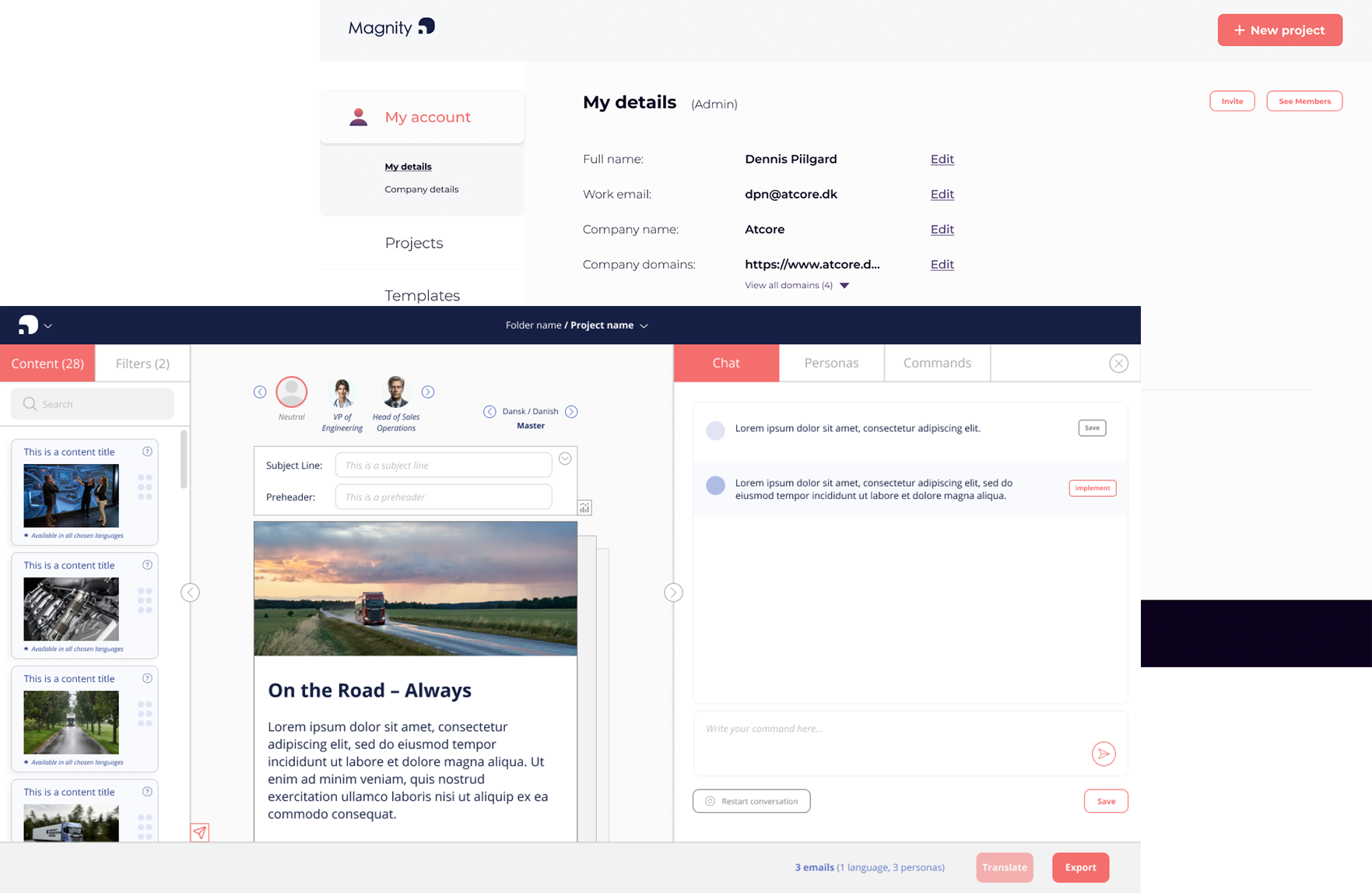
Magnity helps marketing teams create clearer, more scalable approval processes without adding unnecessary complexity. Instead of managing drafts, comments, and sign-offs across disconnected systems, teams can work with a more structured flow that supports both speed and control.
With Magnity, teams can:
- build repeatable workflows for different content types
- support marketing workflow automation through clearer handoffs and process structure
- reduce approval bottlenecks by keeping work visible and easier to track
- improve consistency across emails, landing pages, and campaign content
- strengthen compliance by making review steps easier to define and follow
For organizations working with complex review paths, that means fewer delays, better coordination, and a content review process that is easier to scale.
See what Magnity can do for your team
How to prevent content approval breakdowns
If your current process feels slow, inconsistent, or hard to manage, the answer is usually not more review. It is better workflow design.
Start with the basics:
- define which content types need which approval paths
- assign clear owners for drafting, reviewing, approving, and publishing
- centralize feedback in one place
- set deadlines for each review stage
- use checklists for final approval and publishing readiness
- apply marketing workflow automation where reminders and status updates are slowing the team down
A content approval workflow should make quality easier to achieve, not harder to manage. When the process is clear, right-sized, and built for the way your team actually works, approvals stop being a bottleneck and start supporting better content at scale.