
Pharma marketing compliance without slowing down your team

Pharma marketing works under closer scrutiny than most other sectors. The stakes are higher, the review cycles are longer, and the margin for error is smaller. Every campaign, claim, and asset needs to hold up under internal review while still being clear, useful, and relevant to the audience.
That is why pharma marketing compliance needs to be built into the way teams plan, create, review, and publish content. When compliance is treated as a final checkpoint, it slows work down and creates avoidable risk. When it is part of the workflow from the start, teams can move with more confidence.
What is pharma marketing compliance?
Pharma marketing compliance is the process of making sure marketing and promotional activities meet the legal, regulatory, and internal standards that apply to pharmaceutical companies. That includes how products are described, how risks are presented, how claims are supported, and how materials are approved before they go live.
In practice, this affects everything from campaign messaging and landing pages to email flows, sales enablement content, event materials, and social posts. The goal is not just to avoid problems. It is to make sure communication is accurate, balanced, and responsible.
Why pharma is different
Most marketing teams need clear governance. Pharma teams need governance that can stand up to regulatory review, internal scrutiny, and public trust. Content often passes through medical, legal, and regulatory stakeholders before it is approved. Claims need evidence. Risk information needs to be handled carefully. Approved wording needs to stay consistent across channels.
This creates a very real operational challenge. Teams need to produce content at speed, but they also need full control over what gets published, who approved it, and whether the final version matches the approved message.
Common compliance risks in pharma marketing
- Unclear or unsupported product claims
- Messages that overemphasize benefits and underplay risks
- Use of outdated or unapproved content versions
- Slow or inconsistent review and approval processes
- Poor documentation of changes, approvals, and evidence
- Different teams working from different source material
- Cross-channel inconsistency between web, email, paid media, and sales content
These issues create more than delay. They can weaken trust, increase rework, and make campaign execution harder than it needs to be.
What strong pharma marketing compliance looks like
A solid compliance process gives teams structure without turning every campaign into a bottleneck. It usually includes clear review stages, defined ownership, documented approvals, and shared standards for how claims and risk information are handled.
It also depends on consistency. Teams need approved messaging they can actually find, templates they can reuse, and workflows that reduce manual back and forth. When those basics are missing, even experienced teams end up rechecking the same issues again and again.
Strong pharma marketing compliance usually includes:
- Cross-functional review between marketing, medical, legal, and regulatory teams
- Clear approval workflows for each content type
- Version control and traceability
- Documented substantiation for claims
- Reusable templates and approved messaging blocks
- Audit-friendly records of comments, edits, and approvals
- Ongoing training and shared compliance standards
How to reduce risk without slowing content production
Pharma teams do not need more complexity. They need better operational control. The most effective approach is to shift compliance earlier in the content process, so teams work within approved structures instead of rewriting assets late in the cycle.
That means setting clear rules before content is drafted, aligning stakeholders early, and building workflows that make the right path easier to follow. It also means reducing duplicate work by reusing approved content where possible and keeping reviews tied to a single source of truth.
When compliance is operationalized this way, teams can spend less time chasing approvals and more time improving the quality of the message.
How Magnity can help
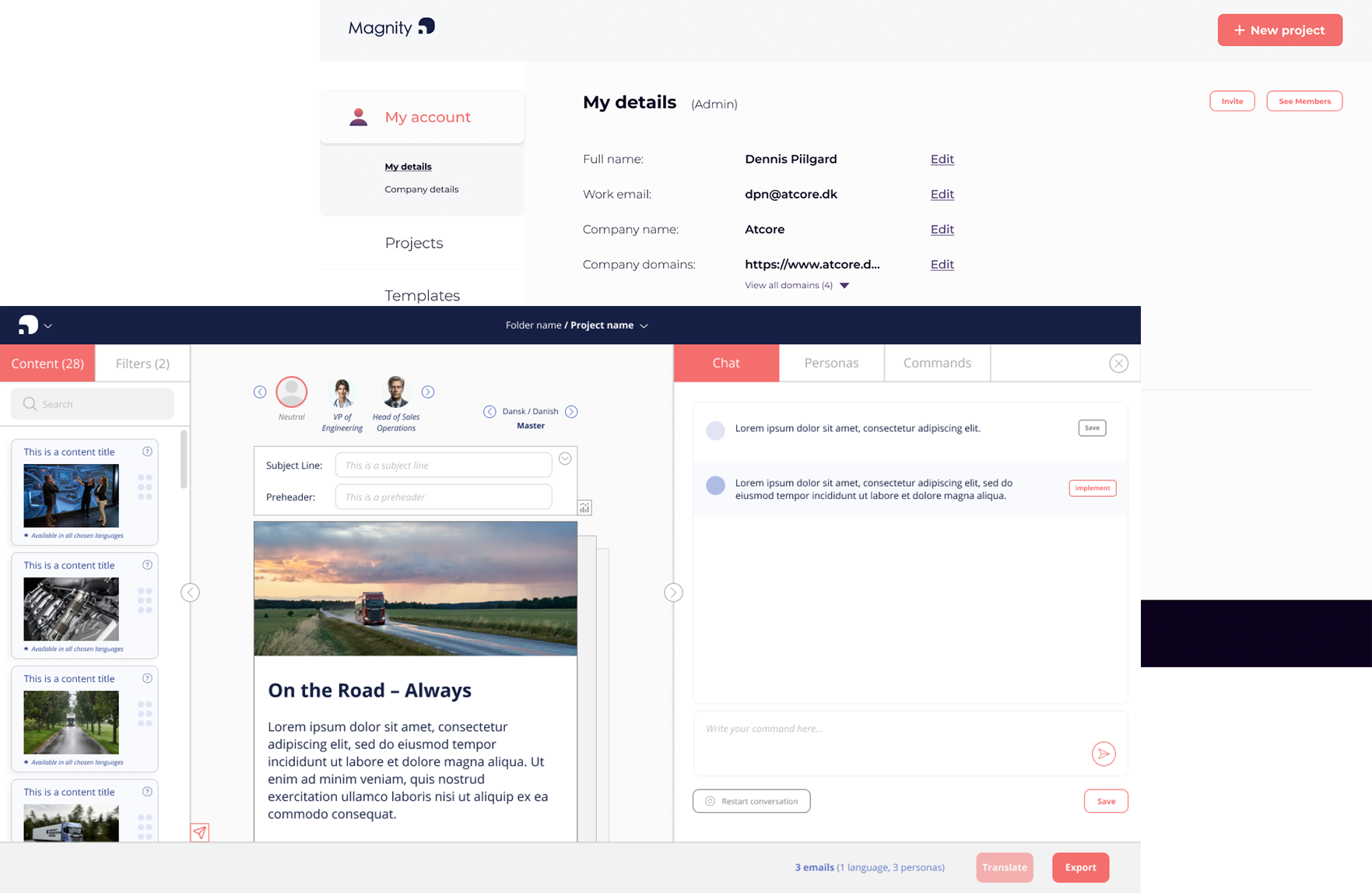
Magnity helps marketing teams build compliant content operations that are easier to manage across campaigns and channels. Instead of handling content creation and compliance as separate steps, teams can work from structured workflows, shared source material, and reusable content patterns that support more consistent execution.
For pharma marketers, that can help with:
- Creating content within defined guardrails
- Keeping messaging aligned across teams and formats
- Reducing approval friction with clearer workflows
- Improving version control and content traceability
- Scaling compliant campaign production across channels
The result is a more practical balance between speed and control. Teams can move faster without losing oversight of what is being created, reviewed, and published.
See what Magnity can do for your team
Pharma marketing compliance should support better marketing
Compliance should not sit outside the marketing process. In pharma, it needs to shape how content is built from the start. When teams have the right structure, they can protect accuracy, reduce risk, and produce stronger work with less friction.