
How to scale content without hiring more reviewers

Content demand keeps rising, but review capacity usually does not. Marketing teams are expected to publish more pages, launch more campaigns, support more channels, and still meet legal, brand, and regulatory requirements. That creates a simple operational problem. More content goes into the system than reviewers can reasonably handle.
This is where content review automation becomes useful. Instead of adding more manual review steps or expanding approval chains, teams can build a process that routes content more intelligently, flags risk earlier, and helps reviewers focus on the work that actually needs human judgment.
For enterprise teams, the goal is not to remove oversight. The goal is to make oversight scalable.
Why manual review stops scaling
Many teams still depend on email threads, spreadsheets, scattered comments, and manual handoffs between marketing, brand, legal, and compliance. That may work for a small content pipeline, but it starts to break when output increases.
Common problems show up quickly:
- approval queues grow faster than teams can clear them
- feedback gets lost across different tools and versions
- reviewers spend time on low risk assets that could have been screened earlier
- ownership becomes unclear when several stakeholders are involved
- campaigns slow down because every asset follows the same review path
When AI is added to the content workflow, these issues usually become more visible. Teams can generate more assets in less time, but that speed only helps if review and approval can keep up.
What content review automation actually means
Content review automation is the use of software to support and streamline content checks, routing, approvals, and documentation. It helps teams move away from a manual, one-size-fits-all review model and toward a more structured process.
A strong setup usually includes:
- automated checks against brand, legal, and compliance rules
- an ai review workflow that identifies potential issues before final approval
- approval automation based on content type, risk level, or market
- centralized version control and review history
- audit trails that show who reviewed what and when
This makes compliance automation practical. Instead of asking every reviewer to check everything from scratch, teams can use automation to catch common issues early and escalate only the content that needs deeper review.
How to scale content without increasing headcount
If your team wants to increase content output without hiring more reviewers, the answer is usually not to work faster within the same broken process. It is to redesign the process itself.
1. Segment content by riskNot every asset needs the same level of review. A product claim for a regulated market should not follow the exact same path as a low risk social post or a lightly updated landing page.
Start by grouping content into risk levels based on factors such as:
- channel
- market
- product sensitivity
- regulated claims
- use of customer data
- AI generated content
Once risk levels are defined, approval automation can route content to the right reviewers instead of sending everything through the longest possible path.
2. Move checks earlier in the workflowOne of the biggest causes of review overload is that issues are found too late. If reviewers only see problems at the final sign-off stage, they become editors, compliance specialists, and workflow coordinators at the same time.
Content review automation helps shift routine checks upstream. Teams can scan for missing disclaimers, risky claims, brand issues, inconsistent language, or policy violations before formal approval begins. That reduces rework and improves reviewer efficiency.
3. Standardize review pathsScaling is hard when every team has its own approval logic. Reviewers waste time figuring out who needs to sign off, where the latest file lives, and what counts as approved.
Build standard workflows for key asset types such as:
- email campaigns
- landing pages
- paid ads
- social posts
- partner content
- AI generated drafts
Standardization makes compliance automation more effective because rules, routing, and responsibilities become easier to apply consistently.
4. Give reviewers better context, not more volumeReviewers create the most value when they spend time on decisions that require experience and judgment. They create less value when they are forced to manually inspect every sentence in every asset.
An effective ai review workflow should surface likely issues, explain why content was flagged, and provide a clear history of revisions and comments. That helps reviewers move faster without lowering standards.
5. Keep a single source of truthVersion confusion is one of the most common reasons approvals slow down. If reviewers are looking at different drafts in different systems, the process becomes unreliable.
To scale properly, teams need one place where they can manage:
- current draft status
- review comments
- approval decisions
- rule checks
- version history
- final approved assets
Without that foundation, approval automation becomes hard to trust.
What to look for in a scalable review process
If you are trying to improve review capacity, focus less on how many people touch the content and more on how the workflow behaves. A scalable process should make it easy to answer questions like:
- what needs review right now
- who owns the next step
- which assets are high risk
- what changed since the last version
- which rules were checked
- whether the content is ready to publish
That visibility matters just as much as automation itself.
How Magnity helps teams scale review and approval
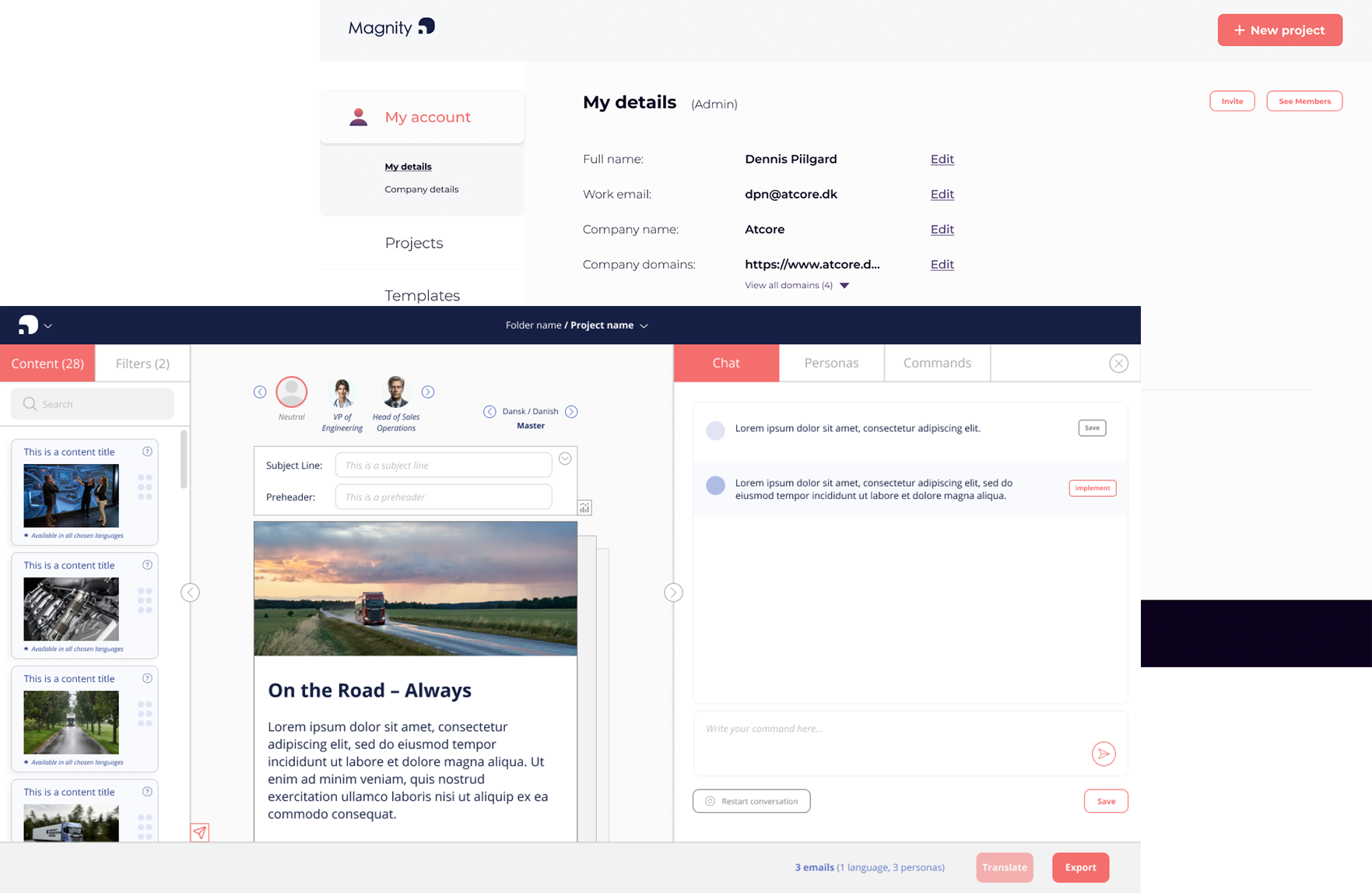
Magnity helps marketing teams build more structured content operations without adding unnecessary manual work. Instead of treating compliance as a final checkpoint, teams can bring it into the content workflow from the start.
With Magnity, teams can support content review automation by:
- creating repeatable workflows for different asset types and approval paths
- centralizing collaboration, review feedback, and content versions
- using AI to support earlier detection of issues before final review
- reducing friction between content creation, review, and approval
- maintaining clearer governance across channels, teams, and markets
This is especially useful for organizations that need to scale content production while keeping brand consistency and compliance under control.
Magnity can also support a broader compliance operating model by helping teams move faster with more structure, better visibility, and fewer approval bottlenecks.
See what Magnity can do for your team
Final thoughts
Hiring more reviewers may solve the problem for a while, but it does not fix the system. If content volume is growing, the better long-term move is to design a review model that scales with it.
Content review automation, compliance automation, a clear ai review workflow, and stronger approval automation all help teams review the right content at the right time with the right level of oversight.
That is how marketing teams increase output without losing control.